
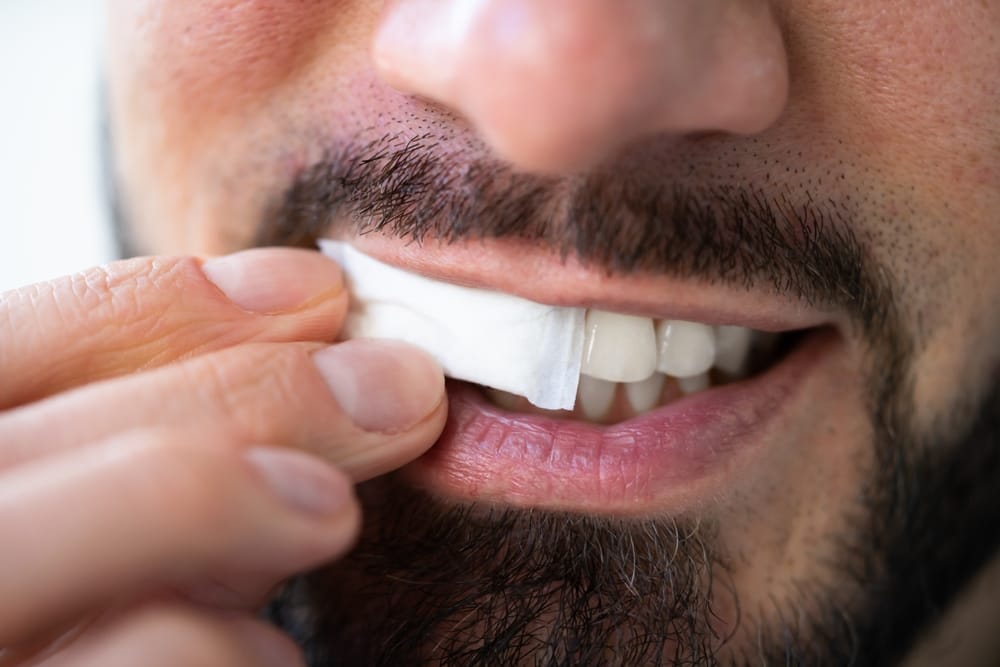
Oral nicotine pouches have surged in popularity as a smoke-free, discreet alternative to traditional cigarettes and vaping. Marketed as tobacco-leaf-free, these small pouches sit tucked between your upper lip and gum tissue, delivering nicotine directly through the mouth’s mucous membranes.
While avoiding smoke and tar is a positive step away from combustion products, these pouches are far from harmless. In fact, one of their most concerning biological effects is how effectively they mask the early warning signs of gum disease, creating a false sense of security while periodontal damage occurs beneath the surface.
At Floss Dental Collective, our dental team closely monitors how changing nicotine habits impact oral health. If you use nicotine pouches, understanding how they interact with your gums is essential for protecting your long-term smile.
The Vasoconstriction Effect: Why Gums Stop Bleeding
In standard dental care, bleeding gums during brushing or flossing serve as an early alarm system. Bleeding, redness, and swelling are classic signs of gingivitis—the initial stage of gum disease caused by bacterial plaque buildup.
Nicotine, however, is a powerful vasoconstrictor—it causes blood vessels to narrow significantly.
When you place a nicotine pouch directly against your gum tissue, the concentrated nicotine restricts local blood flow. As a result:
- Bleeding is suppressed: Your gums may not bleed when you brush, even if a serious bacterial infection is present.
- Inflammation appears muted: The tissue may look less red or swollen because reduced blood flow masks the active immune response.
- Infection progresses undetected: Without bleeding to signal trouble, periodontal disease can advance from mild gingivitis into severe periodontitis, destroying supporting bone and tissue without obvious symptoms.
Localized Tissue Changes and Root Exposure
Beyond masking infection, placing a pouch in the same spot daily creates continuous chemical and physical contact against the soft tissue. Over time, this concentrated exposure can cause several localized complications:
- Localized Gum Recession: The constant irritation from nicotine and pH-adjusting additives can cause the gum tissue to pull back from the tooth. As the gum recedes, it exposes the tooth’s root surface.
- Increased Risk of Root Cavities: Root surfaces are covered in soft cementum rather than hard enamel. Exposed roots are far more susceptible to rapid decay and temperature sensitivity.
- Tissue Texture Alterations: In response to chronic irritation, gum tissue may become thickened, pale, or leathery (a condition known as hyperkeratosis). Any persistent shift in oral tissue texture requires professional evaluation.
- Dry Mouth (Xerostomia): Nicotine reduces saliva flow. Because saliva washes away food particles and neutralizes harmful plaque acids, chronic dry mouth accelerates both cavity development and bacterial imbalances.
Protecting Your Smile with Floss Dental Collective
Because oral nicotine pouches hide the traditional signs of periodontal breakdown, relying on visual cues at home isn’t enough. Professional periodontal monitoring is the only reliable way to catch attachment loss and pocket formation before irreversible bone loss occurs.
If you are looking for an experienced dentist in Ottawa, the team at Floss Dental Collective provides comprehensive, non-judgmental care tailored to your lifestyle. During your routine exam, we check for early recession, measure periodontal pocketing, and inspect tissue health where pouches are placed. Catching subtle changes early allows us to recommend preventive therapies, high-fluoride protections, or habit modifications to preserve your teeth for life.
Don’t wait for pain or bleeding to schedule your checkup. Visit Floss Dental Collective today to book your next hygiene exam and keep your gums healthy and strong.