
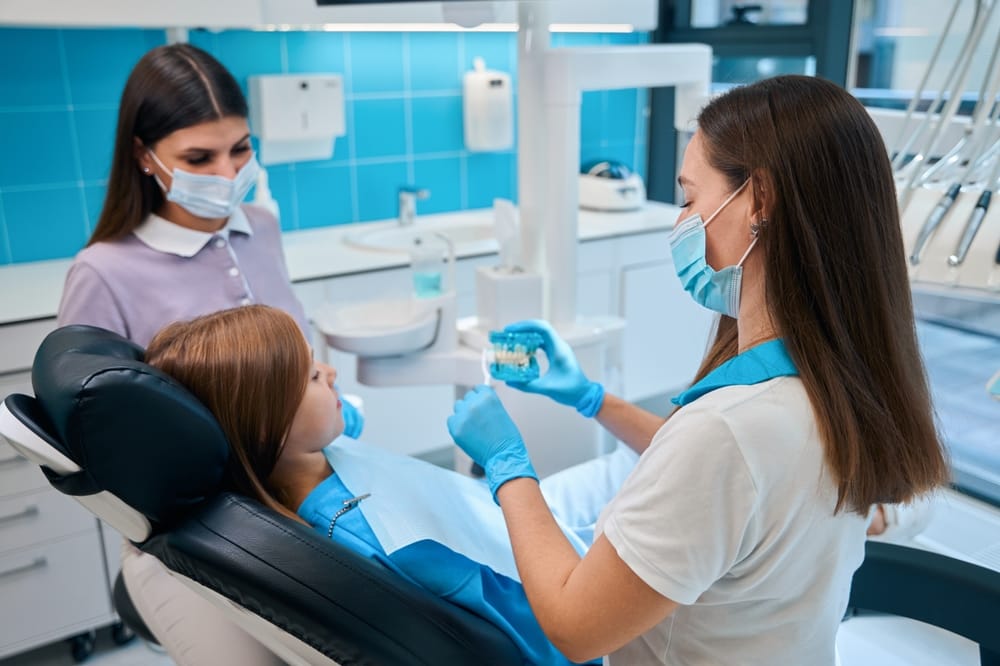
Dental emergencies can happen at any time, and being prepared is important for families. Whether it’s a knocked-out tooth, a sudden toothache, or a broken filling, knowing how to respond quickly may help minimize pain and prevent further damage. Having access to an emergency dentist and understanding basic first-aid steps for dental issues are essential components of family oral care.
Recognizing a Dental Emergency
Not all dental issues require immediate attention, but certain signs indicate that a visit to an emergency dentist is necessary. Examples include:
- Severe tooth pain that does not subside with over-the-counter medication
- A tooth that has been knocked out or fractured
- Swelling of the gums, face, or jaw
- Bleeding that does not stop after gentle pressure
- Loose teeth caused by trauma
Recognizing these symptoms early and seeking prompt care may help reduce complications and protect long-term oral health.
Immediate Steps for Common Dental Emergencies
Families can take specific measures while preparing to visit an emergency dentist:
Knocked-Out Tooth
If a permanent tooth is completely knocked out, retrieve it carefully by the crown (avoid touching the root), rinse gently with water, and try to place it back into its socket if possible. If reinsertion is not feasible, safely tuck the tooth in the space between your gums and your teeth, or milk. Most importantly, contact an emergency dentist immediately. Time is critical for preserving the tooth.
Chipped or Broken Teeth
Rinse the mouth with warm water and apply a cold compress to reduce swelling. Keep any broken fragments and bring them to the dental appointment, as they may help with restoration.
Severe Toothache
Rinse with warm saltwater to reduce discomfort, then gently floss around the affected area to remove debris. Avoid applying aspirin directly to the gums, as it may irritate them. Contact an emergency dentist to identify the cause and receive proper treatment.
Soft Tissue Injuries
For injuries to the lips, tongue, or cheeks, rinse with water and apply a clean cloth or gauze to control bleeding. Cold compresses can help minimize swelling. Seek professional evaluation to prevent infection and ensure proper healing.
Preventing Dental Emergencies at Home
While accidents cannot always be avoided, families can take steps to reduce the risk of dental emergencies:
- Encourage children to wear mouthguards during sports or recreational activities.
- Supervise young children during brushing and flossing to prevent choking or accidental injury.
- Avoid using teeth to open packaging or bite on hard objects.
- Schedule regular dental check-ups to identify potential problems early.
By adopting these preventive measures, families can help reduce the likelihood of sudden dental issues that require urgent care.
Planning for Emergencies
Having a plan in place can make handling dental emergencies less stressful. Keep the contact information for a trusted emergency dentist readily available, and ensure all family members know basic first-aid steps. Having a small dental emergency kit at home, including gauze, a small container, over-the-counter pain relievers, and a cold pack, may also help manage discomfort until professional care is accessible.
Knowing where to go and what to do ensures that dental emergencies are addressed quickly and effectively. Quick action may preserve teeth, reduce pain, and prevent infections from developing.
Get Prompt Dental Care with Floss Dental!
When a dental emergency arises, timely attention is important. Floss Dental offers professional guidance and care for urgent dental issues. Our team may help you manage discomfort, protect teeth, and ensure appropriate treatment when you need it most. Keep their contact information handy and be prepared for unexpected dental events.